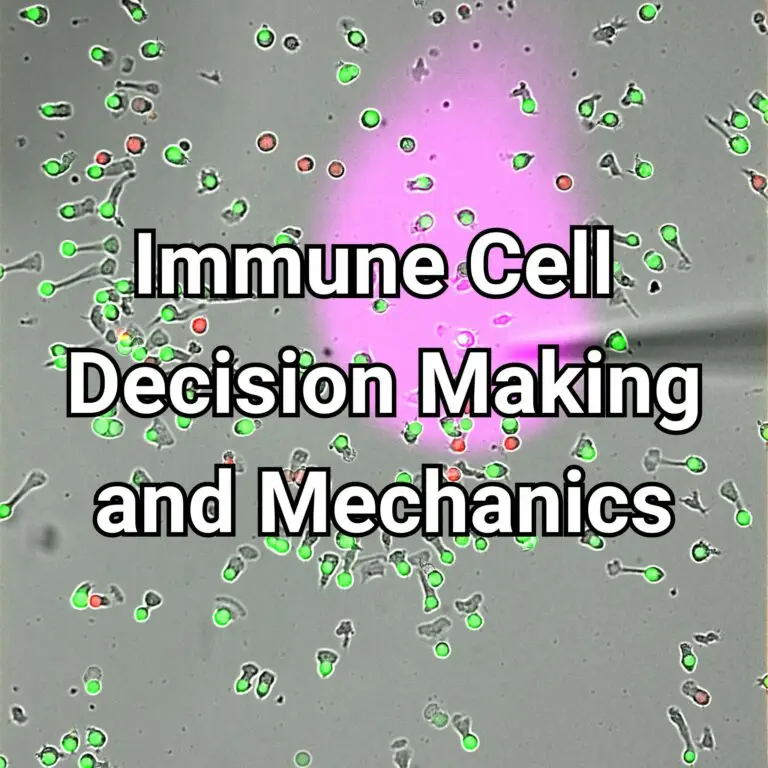
Immune Cell Decision Making and Mechanics
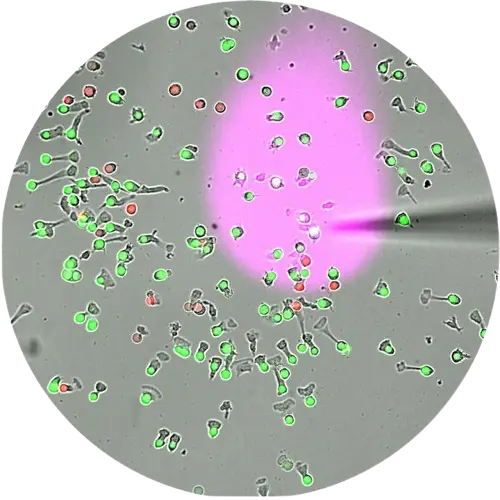
During Ben’s postdoc he discovered a new plasma membrane rheostat pathway that helps to control the decision between migration and phagocytosis. The lab has several projects which focus on how immune cells sense their surroundings and integrate both biochemical signals and physical cues. We aim to develop an understanding of the molecular logic that is used by immune cells to interpret the signals from their environment to pick between the cellular functions of migration, phagocytosis, degranulation, and NETosis. We utilize a wide range of advanced tools from advanced imaging, synthetic biology, biomimetics, chemistry, and cellular biophysics. This work could have broad implications for a wide range of diseases, infections, and cancer treatments.
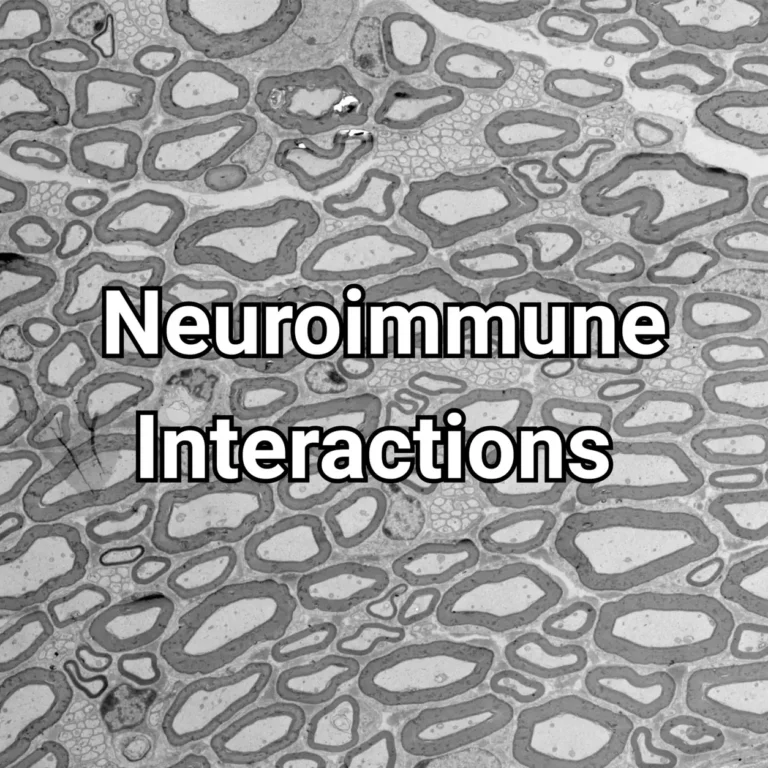
Neuroimmune Interactions in Tissue Homeostasis and Neurodegeneration
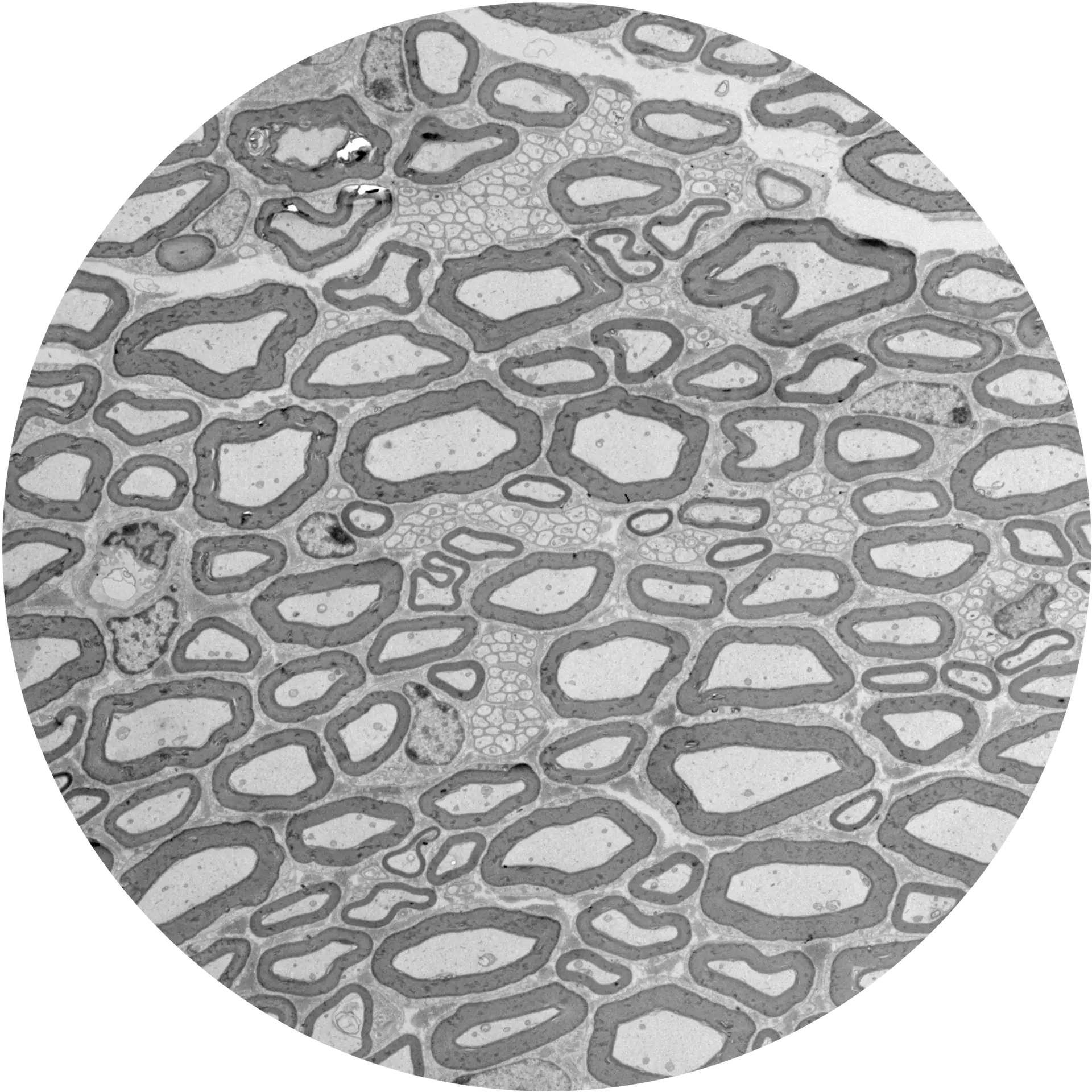
Recent work in the lab focuses on the interplay between the immune system and nervous system both peripheral and central. The Winer Lab is particularly interested in how immune cells affect the deposition and maintenance of myelin on neurons and the contribution of the immune system to neurodegeneration.
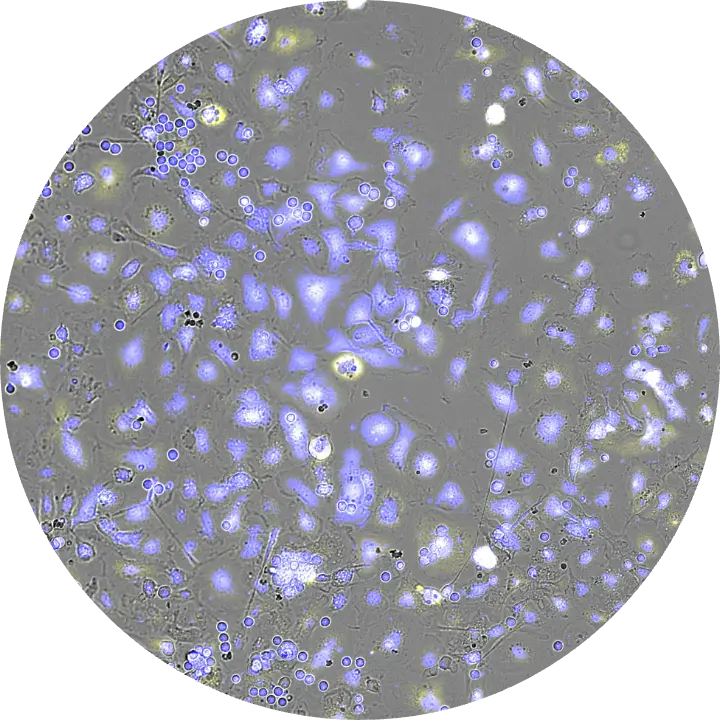
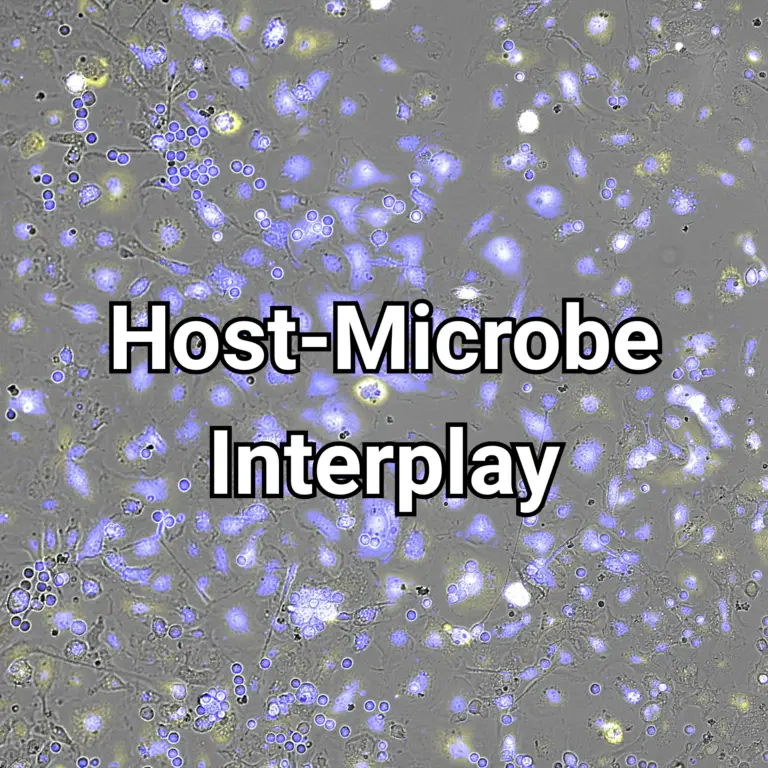
Host-Microbe Interplay
Microbes are relatively simple, especially when compared with the complexity of the human immune system. In spite of this, microbes can evade detection and establish chronic infections. The Winer Lab is interested in the mechanisms by which this occurs. Namely, we are interested in how microbes are able to modulate their local microenvironment or fundamentally alter infected cells to evade the immune system, and how the innate immune system can trigger the adaptive immune system to make a coordinated effort to eradicate the microbe. Several ongoing projects aim to better understand this interplay, utilizing bacterial, fungal, or viral infections.
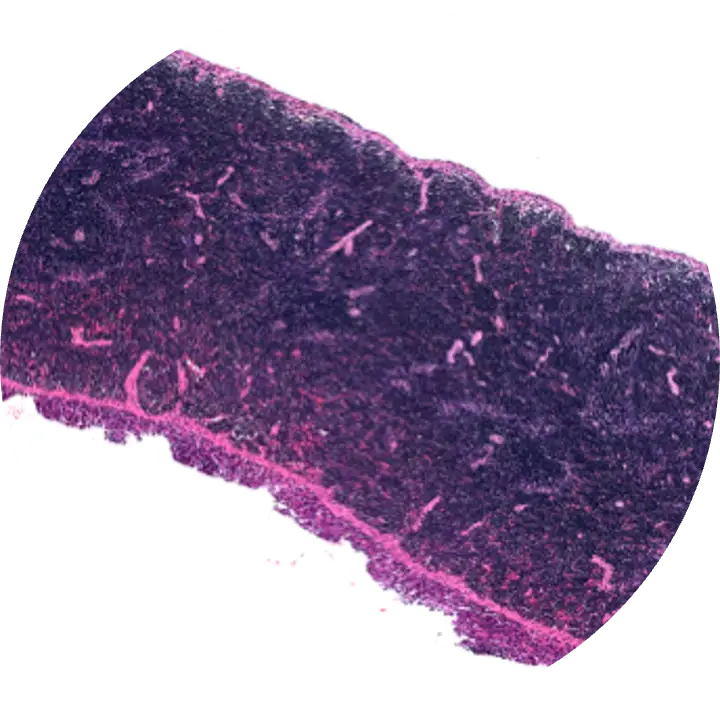
Immune Cell Engineering for the Treatment of Cancer
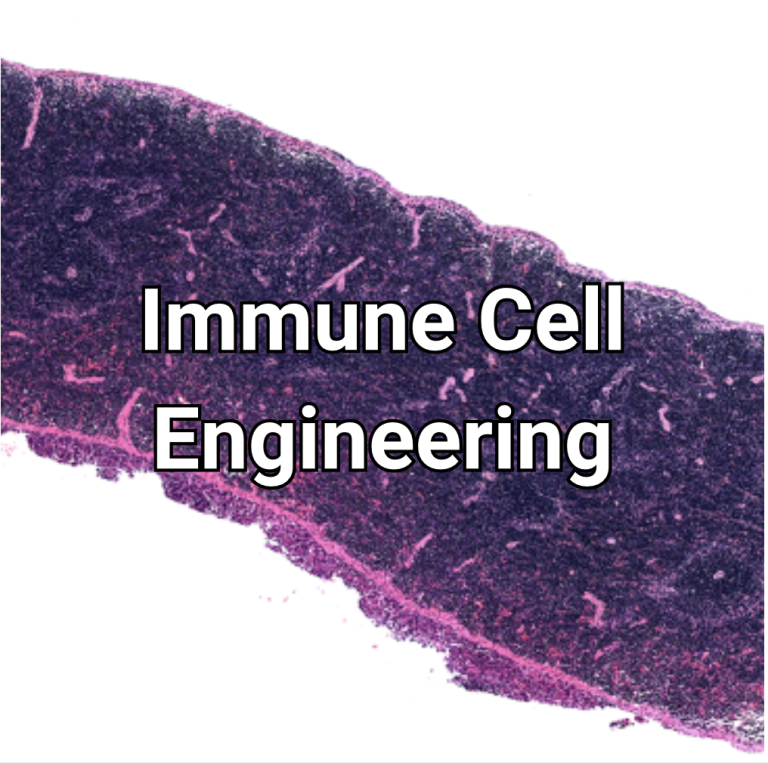
Although immunotherapies have led to major strides in cancer treatments, there are still solid tumors that have been reticent to current CAR-T immune therapies, checkpoint blockade, or other chemotherapy treatments. We aim to leverage current knowledge about phagocyte immune cell mechanics to engineer new biophysics-inspired immunotherapies which would "train" and activate a patient's endogenous cells to attack tumors. This research will improve our understanding of immune cell function and also lead to better patient outcomes.
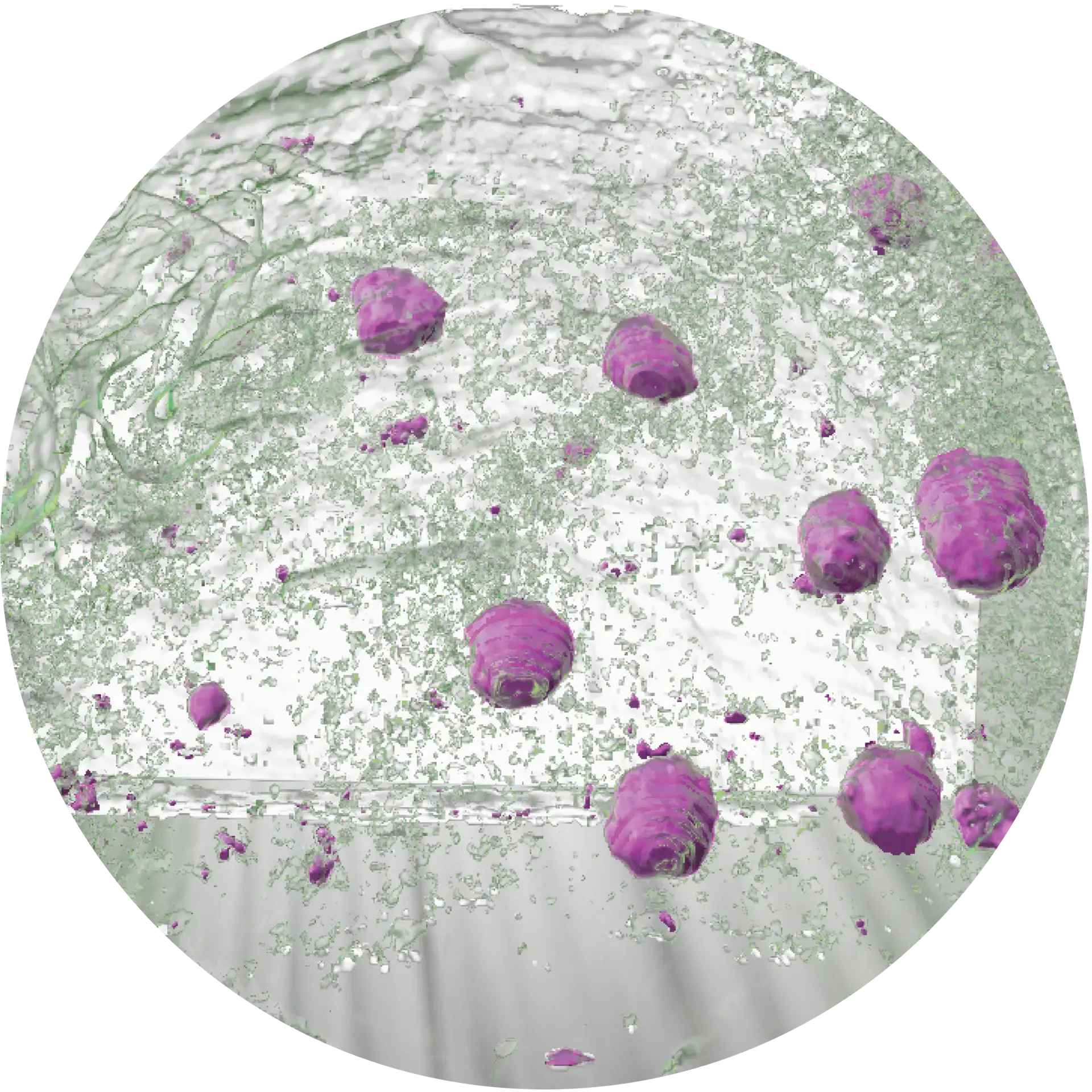
Plasma Membrane Regulation and Cell Biology
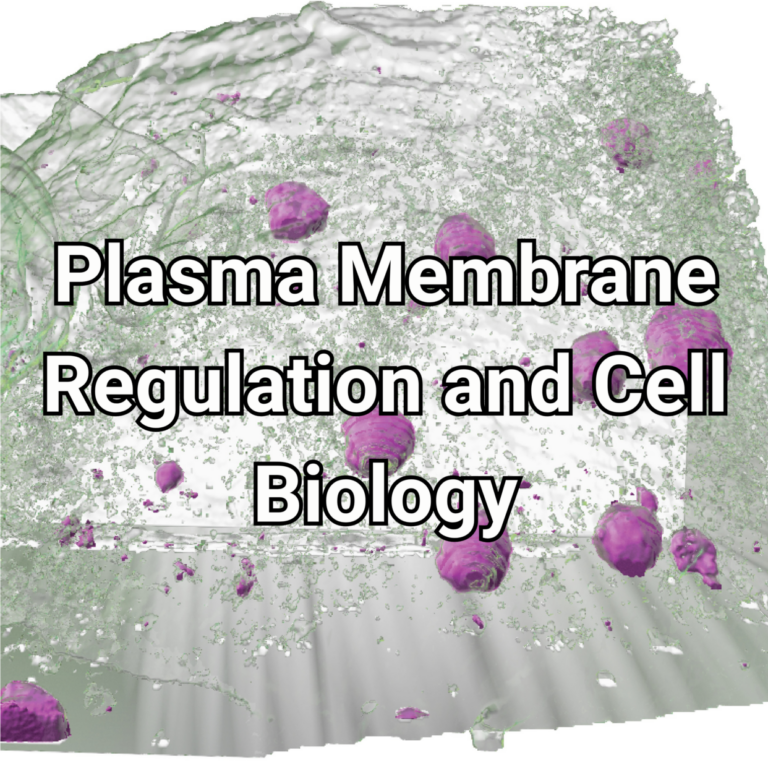
We aim to redefine the role of the plasma membrane as an active regulator of cellular behavior rather than a passive boundary. Our work already demonstrates that plasma membrane availability and dynamics impose fundamental constraints on processes such as phagocytosis, signaling, and cell–cell interactions. By quantitatively linking membrane resources to cellular function, we can establish membrane regulation as a central determinant of immune cell activity. Current projects involve probing how cells actively manage membrane allocation to balance competing demands, revealing a previously unappreciated layer of control over cellular decision-making. This work opens a new conceptual framework in cell biology, where membrane mechanics and resource distribution shape how cells sense, respond, and adapt to their environment.